 🃏 Collecting
 Table of Contents
If you’ve spent any time in Pokemon card collecting communities lately, you’ve probably noticed the growing buzz around Japanese cards. What was once considered a niche interest, reserved for hardcore collectors who could navigate Japanese text, has exploded into mainstream Western collecting culture. And for good reason.
But which version is actually better to collect? The honest answer: it depends entirely on what you’re after. Let’s break down every major difference so you can make an informed decision.
Print Quality: Japan Wins on Consistency
This is the conversation starter in nearly every collector forum, and the data backs it up, Japanese Pokemon cards are widely regarded as having superior print quality.
The biggest factor is centering. English cards notoriously struggle with centering consistency. Collectors who grade with PSA, BGS, or CGC know the frustration of pulling a gorgeous card only to discover the borders are noticeably off. Japanese cards, produced by The Pokemon Company’s domestic printing partners, maintain tighter quality control standards. You’ll find far fewer miscuts and off-center cards compared to English print runs.
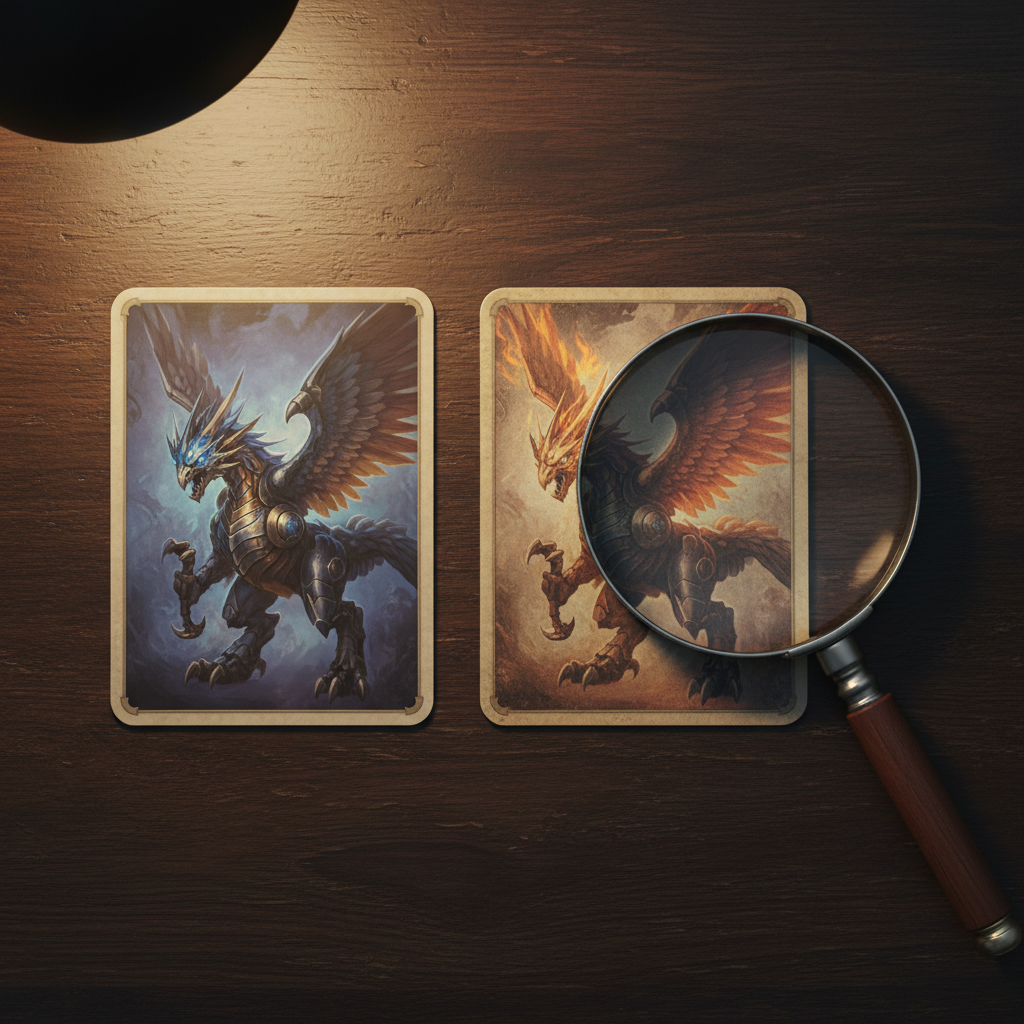
Beyond centering, Japanese cards use a glossier, more vibrant finish that many collectors prefer. Colors pop differently, the saturation tends to be richer, and fine details in the artwork are often crisper. When you’re holding both versions of the same card side by side, the Japanese version frequently wins on pure visual appeal.
Card Stock and Texture: A Different Feel Entirely
Crack open a Japanese booster pack and the first thing you’ll notice is the feel. Japanese cards have a thinner, slightly stiffer card stock compared to English cards. English cards are marginally thicker and have a distinct texture on the back that Japanese cards lack.
Neither is objectively “better”, this comes down to personal preference. Players often prefer English card stock because it shuffles more naturally in a sleeve. Collectors who prioritize display and grading tend to gravitate toward the Japanese card feel, especially because the thinner stock means cards sit flatter in top loaders and cases.
One important note: if you plan to play the TCG competitively, English cards are required at official tournaments. Japanese cards are legal for casual play but not competitive events outside Japan.
Exclusive Japanese Products: The Real Collector Magnet
This is where things get genuinely exciting. Japan produces a range of exclusive card types and sets that simply don’t exist in English, and these are driving Western collectors to import in record numbers.
Character Rare (CHR) cards are one of the most sought-after exclusives. These full-art cards feature beloved characters alongside their Pokemon in story-like scenes, and they’re only printed in Japanese sets. The emotional storytelling in CHR artwork has made them a massive hit with collectors who care about the artistry of the game.
Special Art Rares (SAR), sometimes called “alt arts” in Western communities, were a Japanese exclusive for years before Sword & Shield era English sets started catching up. Even now, Japan frequently gets exclusive SAR variants that never see an English printing.
Then there are the ultra-limited promotional cards. The Kanazawa Pikachu (released as a commemorative promo for the Pokemon Center opening in Kanazawa) is a perfect example, a card that became legendary in the collector community precisely because of its limited Japanese distribution. These regionally exclusive promos are the holy grail for serious collectors.
Japan also regularly produces special box sets, gift boxes, and premium collections that bundle exclusive promos with merchandise. These products are cultural events in Japan and increasingly treated as such by Western collectors who import them.
Price Comparison: Japanese Packs Are Dramatically Cheaper
Here’s the number that converts a lot of skeptical collectors: a Japanese booster box typically costs $40–$60 USD when imported, compared to $90–$130+ for an equivalent English booster box.
You’re getting 30 packs in a Japanese booster box versus 36 packs in an English display box, but the per-pack cost is still significantly lower. For collectors who love the cracking experience, this means more pulls for your budget.
The economics of importing have gotten friendlier too. Services like Buyee, FROM JAPAN, and direct retailers like Pokemon Center Japan (with a proxy service) have made it accessible even without Japanese language skills.
Pull Rates: Japanese Packs Deliver More
Alongside the lower price point, Japanese packs tend to have better pull rates for high-rarity cards. This is partially by design, Japanese sets are structured differently, and the pack ratios are typically more generous with hits.
In many modern Japanese sets, you’re effectively guaranteed at least one holographic rare per pack, with a strong chance at higher rarities. English packs are notoriously hit-or-miss by comparison. For collectors who enjoy opening packs (rather than buying singles), the Japanese experience is genuinely more rewarding per dollar spent.
Grading Japanese Cards: What You Need to Know
The grading market has warmed up significantly to Japanese cards, but there are important differences to understand.
PSA, BGS, and CGC all grade Japanese cards, and grades carry weight in the collector community. However, the population reports are smaller for Japanese cards, which can cut both ways, it means fewer competitors for high grades, but also less price reference data when you’re trying to sell.
One unique advantage: because Japanese cards have better centering and print quality out of the pack, they tend to grade higher on average. Collectors who submit Japanese versions of popular cards often report better PSA 10 rates than they’d expect from English equivalents.
For ultra-rare Japanese exclusives (like the Kanazawa Pikachu), graded copies carry significant premiums because the cards themselves are scarce and the collecting community recognizes their cultural significance.
Investment Potential: English Holds the Market, Japanese Holds the Gems
Here’s the nuanced truth about investment potential, English cards dominate the long-term secondary market because the English-speaking collector base is simply larger. Vintage English cards (Base Set, Jungle, Fossil era) have a proven track record of appreciating over decades. The English market is deeper, more liquid, and has more institutional recognition from grading companies and auction houses.
That said, Japanese exclusives can spike dramatically when Western collectors catch on. CHR cards, limited promos, and Japanese-exclusive alt arts have seen massive price increases as their uniqueness became more widely understood. The Kanazawa Pikachu is the most famous example, a card that went from obscure promo to five-figure graded specimen as its story spread.
For investment purposes: English vintage = safer, more proven. Japanese exclusives = higher risk, higher ceiling for the right cards.
Collecting Japanese Cards from Outside Japan
The logistics have never been easier. Proxy buying services like Buyee and Zenmarket let you shop Yahoo! Japan Auctions and other Japanese marketplaces with minimal language barrier. You create an account, browse, and the service handles purchasing and international shipping on your behalf.
Direct retailers like AmiAmi, Big in Japan, and Mercari Japan (via proxy) have English interfaces or English-speaking customer service. Shipping costs vary, typically $15–$40 USD for a booster box via EMS or DHL, but when you factor in the lower base price, you’re often still coming out ahead.
One community tip: follow Japanese TCG release schedules on sites like Pokebeach and Bulbapedia. New sets drop in Japan 6–12 months before English releases, so savvy collectors track spoilers and import before prices climb.
The Growing Crossover Market
The line between Japanese and English collecting is blurring. Streaming channels dedicated to Japanese pack openings have millions of followers. Reddit communities that once focused exclusively on English cards now regularly feature Japanese pulls. Discord servers have dedicated channels for import advice.
The Pokemon Company has noticed too, modern English sets increasingly adopt the CHR and SAR format that made Japanese cards famous. But Japan will always get new innovations first, which means the crossover market is likely to grow rather than shrink.
Which Should You Collect?
Collect Japanese cards if:
- You love opening packs and want more hits per dollar
- You’re drawn to exclusive artwork and card types that don’t exist in English
- You enjoy the hunt of importing and discovering cards the broader market hasn’t caught up to yet
- You’re a modern set collector focused on the current era
Collect English cards if:
- You’re focused on vintage sets and long-term proven investment value
- You play the TCG competitively
- You prefer a larger, more liquid resale market
- You want easier grading population data and pricing reference
Collect both if:
- You’re in it for the love of Pokemon and want the full experience
Honestly? That last option describes most serious collectors. The Japanese and English markets complement each other more than they compete. Japanese cards bring the artistry and exclusivity. English cards bring the history and market depth. Together, they make Pokemon TCG one of the richest collecting hobbies in the world.
Whatever version you prefer, the best Pokemon card is the one that makes you excited to open the next pack.
Sponsored
Build Your Collection
Explore more guides, set reviews, and market insights from TCG Collector Hub.
Browse More Guides
Build Your Collection
Discover more guides, investment tips, set reviews, and market analysis from TCG Collector Hub.