 💰 Investment Tips
 Table of Contents
Pokemon cards aren’t just a hobby anymore, they’re an alternative asset class. Vintage cards have outperformed the S&P 500 over the past decade, and modern sealed product has shown consistent 20-50% annual returns when bought at the right price. But most people lose money because they buy wrong.
Here’s how to invest in Pokemon TCG the smart way. If you want the specific card list to go with this framework, jump to our 10 cards that define 2026 collecting. For set-specific picks, see the Prismatic Evolutions April 2026 market update and our Perfect Order chase card breakdown.
The Three Pillars of Pokemon TCG Investing
1. Sealed Product
Sealed booster boxes, elite trainer boxes (ETBs), and special collections appreciate over time as supply dries up. This is the lowest-risk, most consistent strategy.
Why it works: Once a set goes out of print, sealed product becomes the only way to experience opening that set. Demand stays constant (people always want to open packs) while supply only goes down.
Best sealed investments right now:
| Product | Current Price | 1-Year Outlook |
|---|---|---|
| Evolving Skies Booster Box | $280–$350 | Strong hold, alt arts drive demand |
| 151 Booster Bundle | $45–$55 | Buy at MSRP, hold 2+ years |
| Surging Sparks Booster Box | $100–$130 | Early, buy now if near MSRP |
| Crown Zenith ETB | $50–$70 | Slow climber, hold |
Shop Pokemon Booster Boxes on Amazon
Rules for sealed investing:
- Only buy at or below MSRP
- Store in a cool, dry place away from sunlight
- Don’t open them (obviously)
- Hold minimum 2 years for best returns
- Diversify across multiple sets
2. Singles (Individual Cards)
Buying individual high-value cards, especially graded copies, is higher risk but higher reward.
What to target:
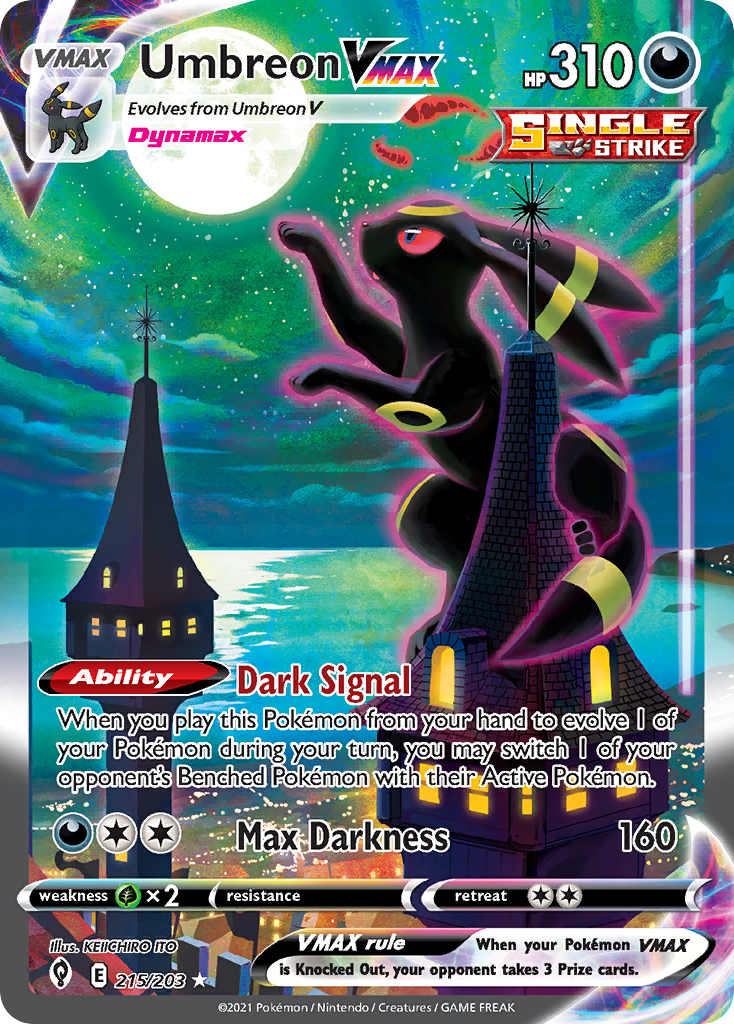
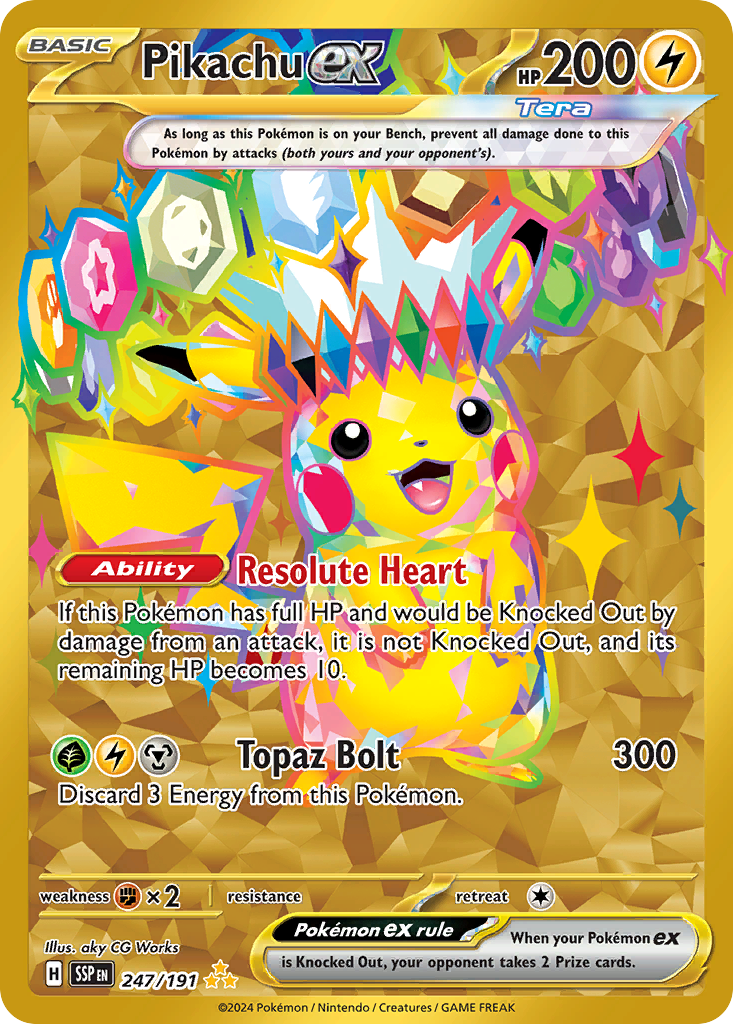
- Alt Arts / Special Art Rares from popular sets
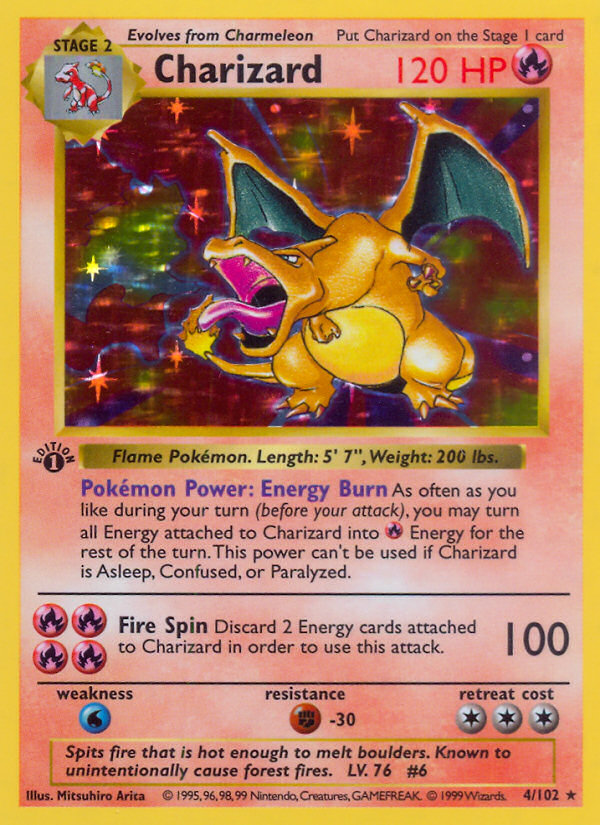
- Iconic Pokemon, Charizard, Umbreon, Pikachu, Mew, Mewtwo, Lugia, Rayquaza
- PSA 10 / CGC 10 graded copies of chase cards
- 1st Edition vintage in any condition (if the price is right)
When to buy singles:
- 2-4 weeks after a set drops, initial hype dies, prices crash 30-50%
- During market-wide dips, Pokemon card prices tend to dip in summer when kids are less focused on collecting
- When a card rotates out of competitive play, player demand drops but collector demand stays
Shop Pokemon Card Singles on Amazon
3. Japanese Exclusive Products
Japanese Pokemon cards have become increasingly popular with Western collectors, and the price gap between Japanese and English versions is closing. Japanese promos, special boxes, and exclusive art cards can be excellent investments.
Why Japanese:
- Higher print quality and better centering
- Exclusive artwork not available in English
- Growing Western demand driving prices up
- Often cheaper at release than English equivalents
The Buy-Hold-Sell Framework
When to Buy
- Set release + 3-4 weeks, Prices bottom out after initial openings flood the market
- Off-season (June-August), Less buying activity, better deals
- Market corrections, When influencers dump collections or panic selling hits
- MSRP sealed product, Anytime you can buy current sets at retail price
When to Hold
- Minimum 1-2 years for sealed, The appreciation curve steepens after year 2
- Until a card spikes, Set price alerts on TCGPlayer for your holdings
- During hype cycles, Don’t sell during a dip, wait for the next wave
When to Sell
- After a major price spike, If a card jumps 50%+ in a week, take profits
- Before a reprint announcement, If Pokemon announces a reprint of a set you’re holding sealed, sell before prices drop
- When you’ve hit your target, Set a target return (e.g., 2x) and stick to it
Card Protection: Preserving Value
Your cards are only worth what their condition allows. Proper storage is non-negotiable.
Essential Supplies
For raw cards:
- Penny sleeves, First layer of protection, always sleeve immediately after pulling
- Toploaders, Rigid protection for cards worth $5+
- Card savers, Semi-rigid holders, required for PSA/CGC submissions
For graded cards:
- Store upright in a cool, dry environment
- Never stack graded slabs, use slab cases or shelving
- Consider a fireproof safe for high-value slabs
For sealed product:
- Keep in original shrink wrap
- Store away from humidity, heat, and sunlight
- Consider acrylic display cases for ETBs and special boxes
Shop Card Storage Boxes on Amazon
Grading: When It’s Worth It
Grading adds value, but only when the math works.
Grade if:
- Card is worth $50+ raw and appears to be in near-mint condition
- You pulled it yourself and sleeved it immediately (best chance at a 10)
- It’s a vintage card in genuinely excellent condition
Don’t grade if:
- The card is worth less than $30 raw, grading fees eat the margin
- There’s visible whitening, scratching, or off-centering
- You bought it raw from a seller (condition may be worse than photos suggest)
Grading Companies Compared
| Service | Turnaround | Cost | Market Recognition |
|---|---|---|---|
| PSA | 30-180 days | $20-$150+ | Highest, PSA 10 commands the best premiums |
| CGC | 15-90 days | $15-$100+ | Growing, strong for modern cards |
| BGS | 30-120 days | $20-$150+ | Strong, BGS 10 “Black Label” is ultra-premium |
Common Mistakes That Lose Money
1. Buying at Release Hype
Never buy singles at peak hype during set release week. Prices almost always drop 30-50% within a month as more product gets opened.
2. Chasing YouTuber Picks
When a big Pokemon YouTuber features a card, it spikes temporarily. By the time you see the video and buy, you’re buying the top. Let the hype die.
3. Ignoring Fees
TCGPlayer takes ~13%, eBay takes ~13%, PayPal takes ~3%. Factor fees into every buy/sell calculation. A card needs to appreciate 15-20% just to break even after fees.
4. Not Tracking Your Costs
Keep a spreadsheet of every purchase, date, price, condition, where you bought it. Without this, you’re guessing whether you’re profitable.
5. Emotional Buying
“I love this card” is not an investment thesis. Buy based on data, historical price trends, print run estimates, set popularity, not feelings.
Building Your First $1,000 Portfolio
Here’s a sample starter portfolio mixing sealed and singles:
| Investment | Cost | Strategy |
|---|---|---|
| 2x Current set booster boxes (at MSRP) | $200 | Hold sealed 2+ years |
| 1x Popular set ETB (at MSRP) | $45 | Hold sealed |
| 3-5 Alt Art singles (bought post-hype) | $200-$400 | Hold 1-2 years, sell on spike |
| Card protection supplies | $30-$50 | Essential |
| Grading submission (2-3 cards) | $50-$100 | Grade your best pulls |
Total: ~$525-$795
This gives you diversification across sealed and singles, multiple sets, and both short and long-term plays.
Tools for Tracking the Market
- TCGPlayer, The gold standard for pricing Pokemon singles
- PriceCharting, Great for tracking portfolio value over time
- eBay Sold Listings, Real transaction data, especially for graded cards
- Pokemon TCG Pocket, The digital game is driving new interest in physical cards
- Reddit r/PokemonTCG, Community pulse on what’s hot
Bottom Line
Pokemon TCG investing works when you:
- Buy at the right time (post-hype, off-season, at MSRP)
- Focus on iconic Pokemon and premium rarities
- Protect your cards properly from day one
- Hold with patience, the best returns come after 2+ years
- Sell into strength, not desperation
The market rewards patience and discipline. Treat it like a real investment portfolio, diversify, track your costs, and don’t let emotions drive decisions.
This is not financial advice. Pokemon card values can go down as well as up. Only invest what you can afford to lose.
Sponsored
Build Your Collection
Explore more guides, set reviews, and market insights from TCG Collector Hub.
Browse More Guides
Build Your Collection
Discover more guides, investment tips, set reviews, and market analysis from TCG Collector Hub.