 🃏 Collecting
 Table of Contents
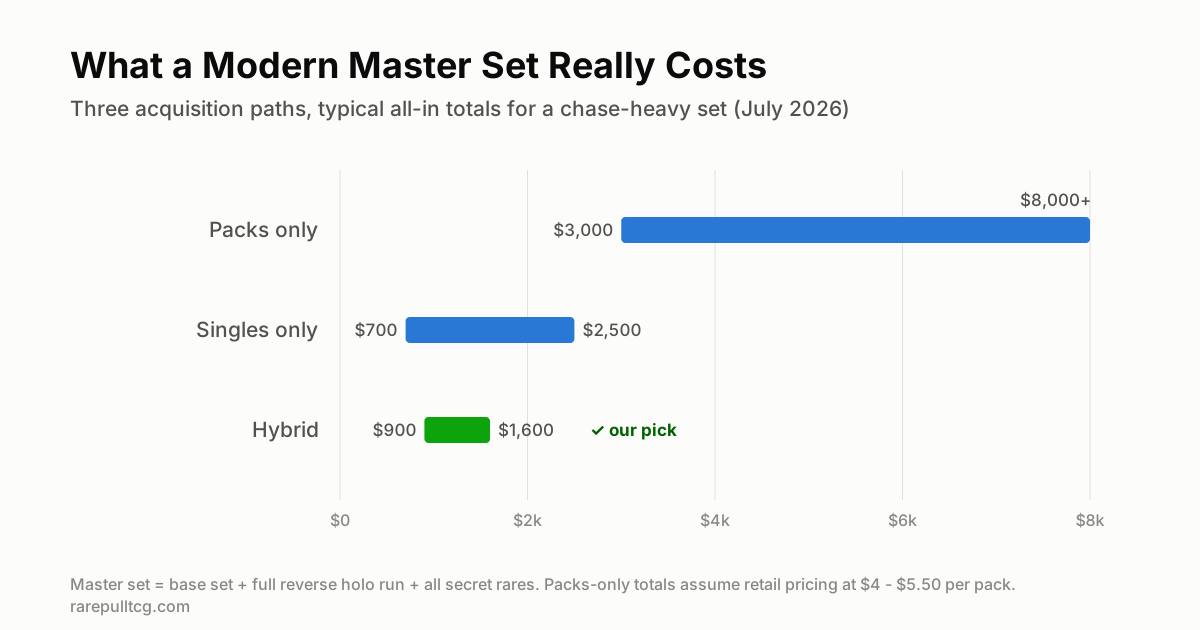
Let’s be real, Pokemon cards are not cheap anymore. A single booster pack runs $5 or more, chase cards can cost hundreds, and if you’re staring at the hobby from the outside wondering how anyone affords it, you’re not alone. The good news? With a little strategy and patience, you can build a collection you’re genuinely proud of without draining your bank account. Here’s how.
Start With a Budget Mindset Shift
The first thing to accept is that you’re playing a long game. Impulsive pack ripping at your local game store every weekend is the fastest way to burn cash and end up with a pile of commons you don’t care about. The collectors who stretch every dollar are the ones who plan, trade, and hunt, not the ones who tear open packs hoping to hit the jackpot.
Set a monthly spending limit. Even $20–$30 a month adds up over a year, and if you’re strategic about where that money goes, your collection will grow faster than you think.
The Dollar Store Pack Trick (Yes, Really)
This one surprises people. Dollar Tree and similar discount stores occasionally stock Pokemon cards, usually older sets sold at clearance prices, mystery packs, or repackaged bundles. While you’re not going to pull a Charizard ex, these are a solid, low-risk way to fill out a binder with base filler cards, build up commons for trades, or introduce a kid to the hobby without breaking the bank.
Keep your expectations realistic. These aren’t booster packs from the current set. But at $1–$2 per pack, they’re a fun gamble that won’t hurt.
Buying Bulk Lots: The Collector’s Secret Weapon
eBay bulk lots are where budget collectors quietly build their collections. Search terms like “Pokemon cards lot 100” or “Pokemon bulk collection mixed” will surface listings selling anywhere from 100 to 1,000 cards for $10–$30.
What to look for:
- Mixed sets, more variety, better odds of finding something tradeable
- Seller photos, if they show actual cards, not stock images, that’s a good sign
- “No duplicates” claims, not always reliable, but better than nothing
- Condition disclosures, LP (lightly played) or better is the goal
Bulk lots are especially useful for filling your binder with common/uncommon filler, picking up cards for trades, and occasionally finding hidden gems the seller didn’t realize were worth something. Sort through any lot you buy carefully, undervalued rares slip through more often than you’d expect.
Which Sets Offer the Best Value?
Not all sets are created equal when it comes to bang for your buck. Some sets have dozens of desirable cards spread throughout, which drives up pack value. Others front-load the hype on one or two chases and leave the rest worthless.
High-value sets to look for:
- Scarlet & Violet base, Launched the ex era, still has strong pull rates for desirable ex cards and a solid secondary market
- Paradox Rift, Packed with popular Paradox Pokemon with strong trade value across rare, ultra rare, and illustration rare tiers
- 151, The nostalgia factor is real, and classic Pokemon like Mew ex and the full-art trainer gallery kept demand strong without a single card dominating the market
Budget-friendly older sets to collect:
- XY era sets, Incredibly affordable on the secondary market, feature fan favorites, and look great in a binder
- Sun & Moon era, GX cards hold moderate value and can be found in bulk lots constantly
- Base Set Reprints (like Classic Collection), Modern reprints of classics let you own the look without vintage prices
Avoid chasing packs from the newest set at launch. Prices on singles drop significantly 60–90 days after release as more product floods the market.
Building a Want List: Your Most Important Tool
A want list is a living document of every card you’re actively trying to acquire. It sounds simple, but collectors who skip this step waste money buying cards they already have or impulse-buying singles they didn’t actually need.
Your want list should include:
- Card name and set
- Condition requirement (do you need NM, or is LP fine?)
- Max price you’ll pay
- Priority level (must-have vs. nice-to-have)
Keep it somewhere accessible, a phone note, a Google Sheet, even a pocket notebook. When you’re at a card show, trade table, or browsing eBay, your want list keeps you disciplined and prevents buyer’s remorse.
Using TCGPlayer and eBay Like a Pro
TCGPlayer is the go-to for buying individual singles at market price. Use these strategies to pay less:
- Filter by condition, LP and MP (moderately played) cards are often 20–40% cheaper than NM copies and look nearly identical in a sleeve
- Bundle from one seller, shipping adds up fast when buying singles. Consolidate orders from one seller to save on shipping costs
- Watch the price graph, TCGPlayer shows historical pricing. If a card spiked recently, wait for it to dip back down before buying
- Set price alerts, some third-party tools and browser extensions can notify you when a card drops to your target price
eBay is better for:
- Bulk lots
- Sealed product (if you’re buying packs to open)
- Vintage and graded cards
- Auctions where you can snipe a deal
Always check “Sold Listings” on eBay before making an offer. Knowing what a card actually sold for (not just what sellers are asking) is the difference between a fair deal and getting ripped off.
Trading: The Zero-Dollar Collection Builder
Trading is the most underrated budget strategy. Every card you don’t personally need has trade value to someone else. Start building a trade binder with duplicates, cards from your bulk lots, and anything on your “don’t need” list.
Where to trade:
- Local game stores, LGS trade nights are a great community entry point
- Reddit (r/pkmntcgtrades), Active, well-moderated, reference-based trade community
- Facebook Marketplace and collector groups, More chaotic, but deals exist
- Card shows and conventions, In-person trading lets you negotiate on the spot
A good rule: trade near market value, not personal value. The card you’re bored of might be someone’s holy grail, that’s a fair trade, and it feels good for both sides.
When to Splurge vs. Save
Not every card deserves the budget treatment. Here’s a simple framework:
Save on:
- Filler commons and uncommons, always buy these in bulk
- Cards you want but don’t love, wait for price drops
- New set singles, give it 60–90 days
- Pack ripping for fun, fun is fine, but budget for it separately from your “collection” money
Splurge on:
- Your personal grail cards, the ones that mean something to you
- Cards in a specific personal collection (completing a set, all Eevee cards, etc.)
- High-condition copies of cards you plan to grade
- Stable vintage cards that hold or appreciate in value over time
The splurge exceptions should be rare and intentional, not emotional. If you’ve been hunting a card for months and the right copy shows up at a fair price, pull the trigger. If you’re just excited because you saw it trending on social media, sit on it for a week and see how you feel.
The Long Game Always Wins
Budget collecting isn’t about being cheap, it’s about being smart. The collectors with the most impressive collections five years from now won’t necessarily be the ones who spent the most. They’ll be the ones who traded well, bought strategically, stayed patient, and genuinely loved what they were building.
Start with a want list. Hunt the bulk lots. Trade aggressively. Let the market come to you on singles. And every once in a while, when the right card shows up at the right price, go get it.
Your dream collection is more affordable than you think. It just takes a little longer to build, and that’s half the fun.
Sponsored
Build Your Collection
Explore more guides, set reviews, and market insights from TCG Collector Hub.
Browse More Guides
Build Your Collection
Discover more guides, investment tips, set reviews, and market analysis from TCG Collector Hub.